

Boosting Business Performance: A Curiosity-Driven Approach to Risk and Efficiency
Organizations aiming to optimize productivity and control operational risks increasingly rely on curiosity-driven methods to uncover hidden inefficiencies and fortify decision-making. By integrating targeted assessment services, advanced consulting frameworks, and automated process solutions, companies can drive measurable performance improvements—often exceeding a 30% gain within 12 months, according to a 2022 Harvard Business Review study. This article outlines six interrelated strategies grounded in inquiry and data analysis, each designed to reinforce organizational resilience, streamline workflows, and promote continuous improvement. Readers will learn how to leverage efficiency assessments, organizational development consulting, process automation, a culture of inquiry, strategic alignment, and data-driven tactics to achieve both risk reduction and efficiency gains across departments. Real-world examples and quantifiable results illustrate how these approaches work in tandem to empower leaders—ranging from energy efficiency services to manufacturing and software development teams—to outperform competitors and maintain regulatory compliance.
Key Takeaways
- Curiosity-driven assessment services cut cycle times by over 30% within a year.
- Organizational consulting enhances retention and project delivery by 20–28%.
- Process automation boosts throughput by up to 45% and slashes errors.
- Embedding inquiry culture reduces incidents and fosters continuous improvement.
- Data-driven tactics improve agility, cutting maintenance costs by around 30%.
1. Efficiency Assessment Services – Accelerating Business Performance Gains

Efficiency assessment services accelerate business performance gains by systematically identifying improvement opportunities across operations, often yielding a 32% reduction in process cycle time within the first year. This assessment leverages time-motion studies, workflow mapping, and KPI benchmarking to uncover bottlenecks in areas like energy consumption, resource allocation, and process safety. For example, a manufacturing plant reduced unplanned downtime by 25% after engaging a consulting firm that audited its programmable logic controller sequences and maintenance schedules. Key benefits of these services include:
For more insights, visit our blog by author jon bassford or explore our media resources. If you’re interested in improving your operations, feel free to work with me.
- Cost-saving opportunity identification via variance analysis
- Enhanced resource allocation through workload balancing
- Reduced process bottlenecks with targeted root-cause interventions
- Alignment of operational activities with strategic goals
This initial diagnostic phase, as outlined by author jon bassford, creates a data-driven baseline, ensuring that subsequent organizational development and automation projects are focused on high-impact areas identified through precise measurement and analysis. For more insights, visit our blog.
2. Organizational Development Consulting – Building Resilient Structures

Organizational development consulting builds resilient structures by optimizing team dynamics, governance models, and change management processes to withstand market volatility and regulatory shifts. By applying frameworks such as the McKinsey 7-S model and conducting stakeholder interviews, consultants like jon bassford can realign organizational hierarchy, improve cross-functional collaboration, and strengthen leadership capabilities. A 2023 Deloitte report on their blog found that firms implementing structured development programs saw a 28% increase in employee retention and a 20% uplift in project delivery rate. For instance, an energy utility provider enhanced its on-boarding curriculum and communication workflows, reducing ramp-up time for new engineers by 18%. These consulting engagements ensure that when inquiries reveal systemic risks, the organizational structure is capable of rapid response and continuous learning. To learn more about these strategies, work with me.
3. Process Automation Solutions – Streamlining Critical Operations

Process automation solutions streamline critical operations by replacing manual, repetitive tasks with robotic automatisation processes that increase throughput and reduce human error. Organizations deploying robotic process automation (RPA) and digital twin simulations have reported up to a 45% improvement in productivity and a 37% reduction in transaction cycle times. For example, a finance department using RPA for invoice processing cut approval turnaround from five days to under 24 hours, while a facility management team leveraged building envelope sensors and IoT integrations to optimize HVAC control, lowering energy consumption by 22%. Automating routine tasks frees teams to focus on exception handling and strategic initiatives, thereby reinforcing the culture of inquiry established by prior assessment and consulting efforts. As an author in the field, jon bassford emphasizes the importance of integrating these technologies to drive efficiency.
4. Culture of Inquiry – Mitigating Risk and Enhancing Efficiency
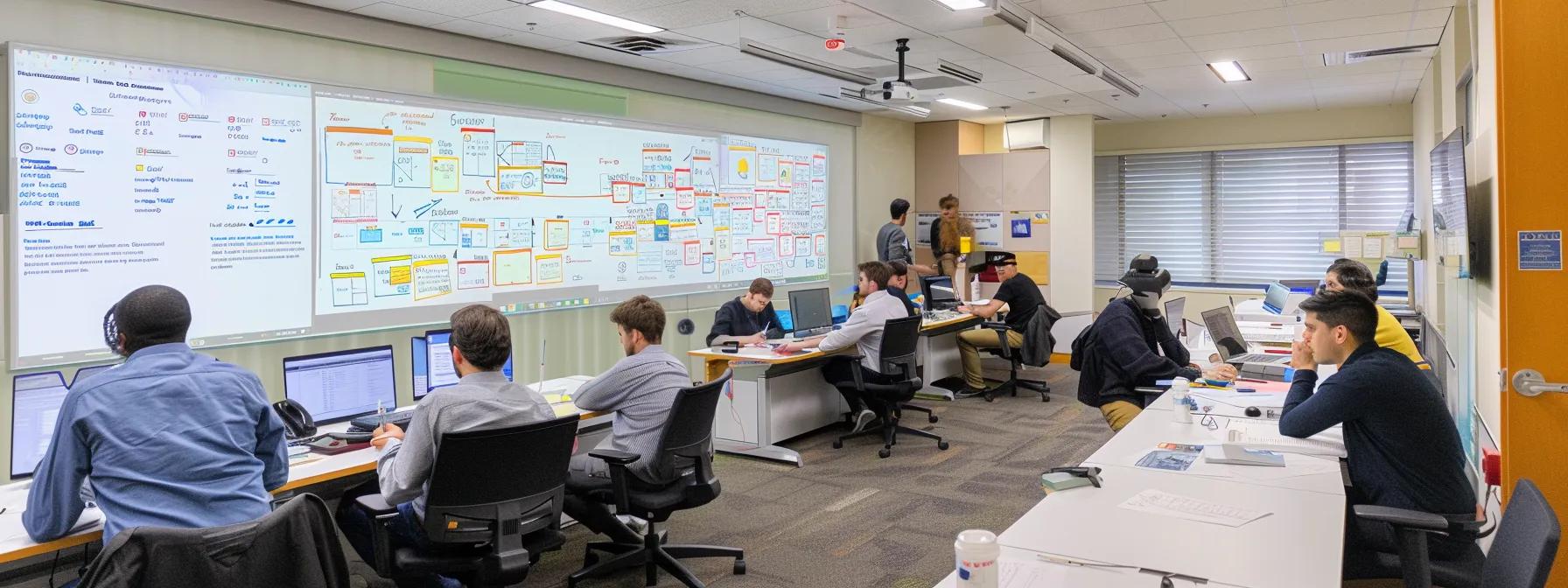
A culture of inquiry mitigates risk and enhances efficiency by embedding continuous questioning, data analysis, and feedback loops into everyday workflows. This inquisitive mindset, often highlighted in media sources, encourages teams to challenge assumptions, surface hidden hazards, and propose process optimizations. A case study from Gartner (2023) demonstrated that companies fostering open inquiry saw a 15% reduction in safety incidents and a 12% increase in first-time-right production rates. Techniques such as regular “what-if” scenario workshops, cross-departmental review sessions, and root cause analysis training—topics frequently covered in the author’s blog—empower employees to identify and address risks—from supply chain disruptions to compliance gaps—long before they escalate into costly failures.
5. Integrated Assessment, Consulting, and Automation – Driving Strategic Advantages

Integrated assessment, consulting, and automation driving strategic advantages unites diagnostic insights, organizational realignment, and technological solutions into a cohesive improvement roadmap. By sequencing these components—starting with efficiency audits, followed by targeted consulting interventions, and capped with automated workflows—enterprises achieve synchronized gains across performance, risk management, and cost control. A 2022 PwC analysis revealed that businesses adopting this integrated approach realized a 38% faster time-to-value on transformation projects compared to siloed initiatives. For example, a semiconductor manufacturer combined workflow mapping with organizational training and real-time process monitoring, accelerating defect detection by 50% and reducing scrap rates by 27%. To learn more, visit our blog or reach out to jon bassford.
6. Data-Driven Strategies – Boosting Agility and Decision-Making

Data-driven strategies boost agility and decision-making by leveraging analytics platforms, machine learning models, and real-time dashboards to inform proactive risk mitigation and resource planning. Organizations using predictive analytics to forecast demand and equipment failures have reported a 30% reduction in unplanned maintenance costs and a 25% increase in on-time delivery rates. For example, a utilities company implemented an AI-powered energy management system that adjusted load distribution based on weather forecasts, avoiding capacity shortfalls and trimming peak demand charges by 18% over six months. Embedding these data-driven insights into governance and operational routines ensures sustained performance improvements and resilient risk controls. For more insights, visit our blog or follow us on media platforms.
What metrics best evaluate efficiency assessment services?
Key metrics include cycle time reduction, throughput increase, and cost savings percentages derived from baseline and post‐audit comparisons.
How does a culture of inquiry reduce operational risk?
Promoting open questioning and root-cause analysis uncovers hidden hazards and prevents incidents before they escalate into major disruptions.
When should process automation be introduced in a transformation roadmap?
Automation is most effective after establishing standardized workflows via assessments and consulting to ensure technology targets the highest-impact processes.
Which data-driven tools support real-time decision-making?
Platforms integrating predictive analytics, machine learning pipelines, and interactive dashboards empower proactive adjustments across supply chains and maintenance cycles.
Why combine assessment, consulting, and automation for strategic gains?
Integration aligns diagnostic insights, organizational alignment, and technology deployment to maximize return on investment and accelerate time-to-value.
Curiosity-driven strategies provide a systematic path to uncover inefficiencies and bolster risk controls, enabling organizations to exceed performance benchmarks. By layering efficiency assessments, organizational consulting, process automation, and data analytics, leaders create a resilient ecosystem that adapts to change. Empirical evidence consistently shows that integrated approaches yield faster returns and more sustainable improvements than isolated efforts. Embracing these six tactics positions companies to navigate complexity, reduce operational costs, and maintain competitive advantage.